A New Book From Rabbi Pinchas Taylor
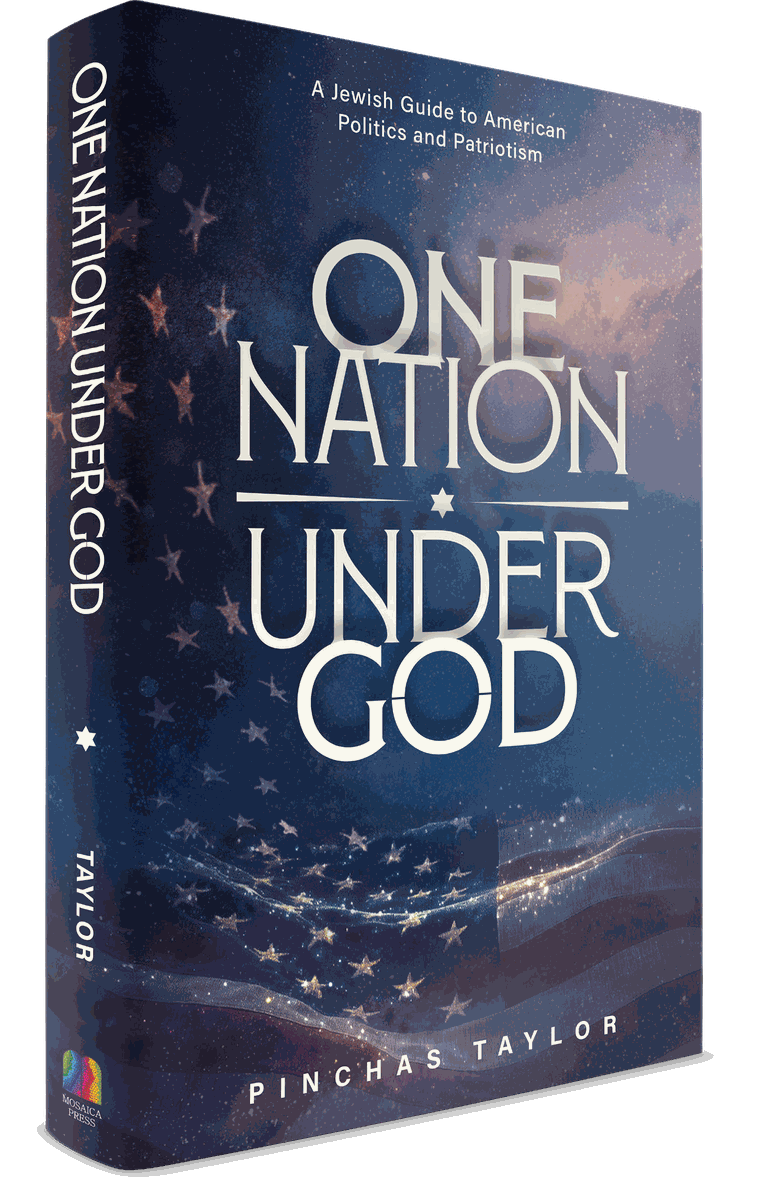
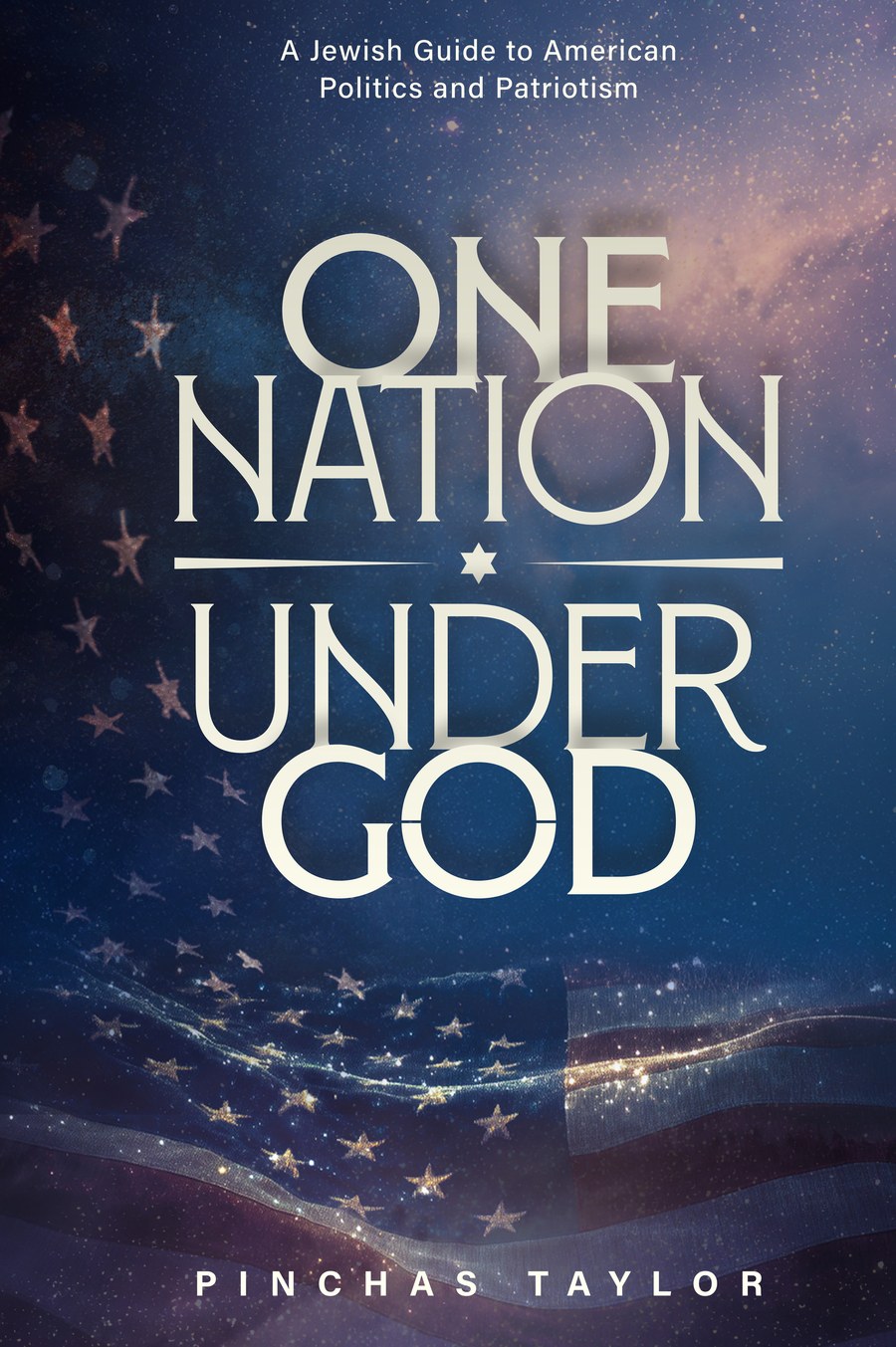
One Nation
Under God
A Jewish Guide to American Politics and Patriotism
What if America’s political crises are not failures of policy, but failures of moral memory?
America imagined itself as part of a sacred story from its earliest moments. This book shows where that story came from, what the Hebrew Bible actually says about the questions dividing the country right now, and what a person can do about it.
Shipping included.
What This Book Is
Explore the Jewish ideas that shaped America’s founding and discover how those same Torah values can clarify today’s most divisive issues. From the Hebrew Bible’s influence on the American story to the surprising spiritual roots of political affiliation, these pages reveal the forgotten moral framework that created the American republic.
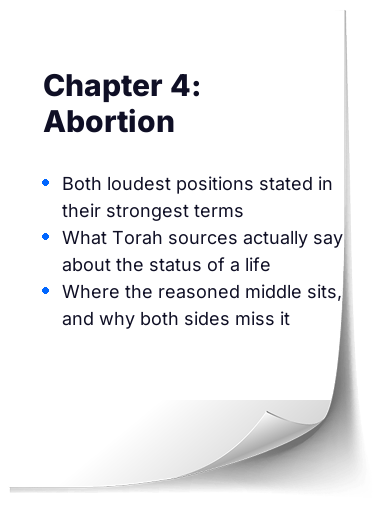
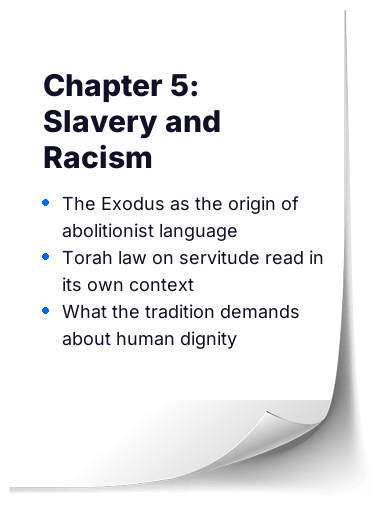
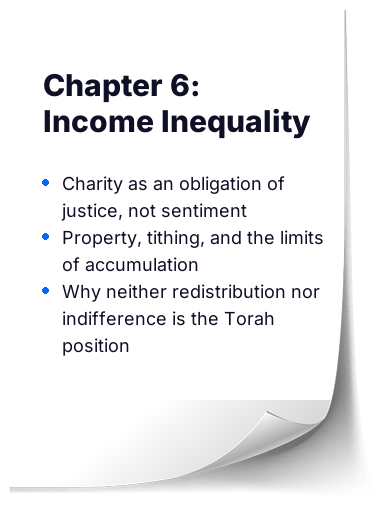
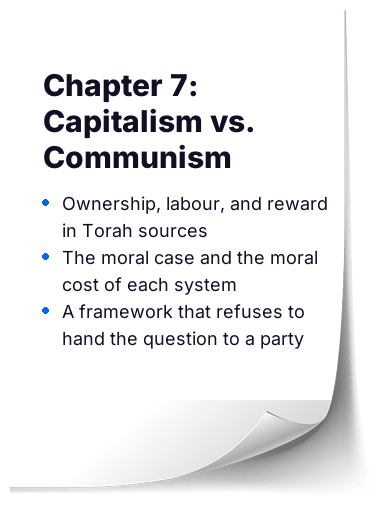
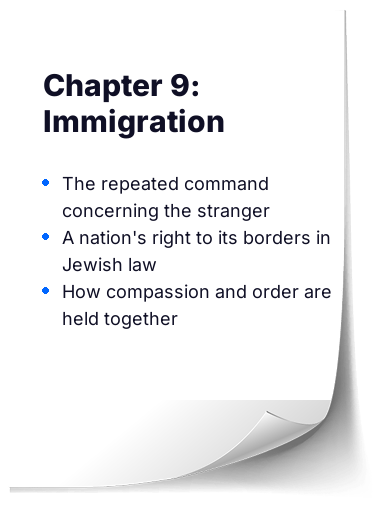
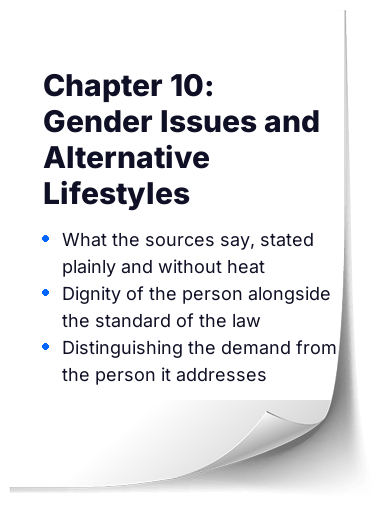
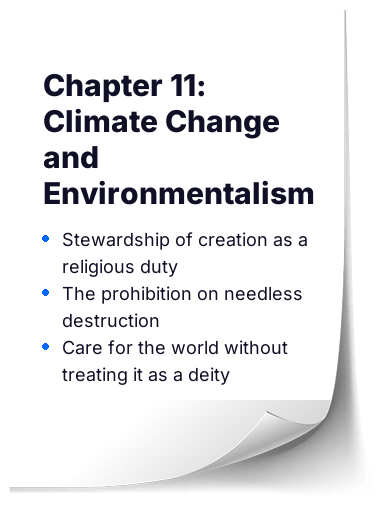
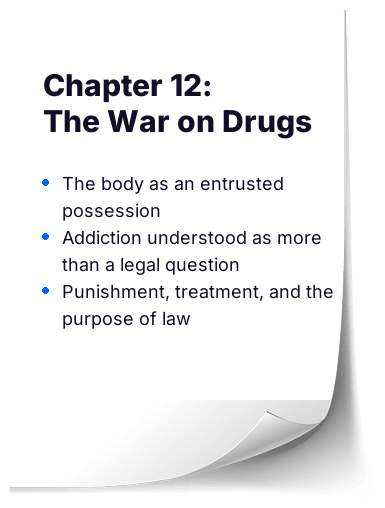
Ancient Torah principles are then applied to modern debates: abortion, race, capitalism, immigration, climate change, gun control, the war on drugs, and more, without slogans, outrage, or partisan spin. It concludes with a hopeful pathway forward, presenting the Seven Laws of Noah as a shared moral language for a diverse nation.
Challenging assumptions on both left and right, this volume insists, with unflinching honesty, that America remember and live by its true values.
The country did not invent its best ideas. It inherited them.
Part One
Where the Founding Came From
“From its earliest moments, America imagined itself as part of a sacred story, a story shaped by the rhythms and revelations of the Hebrew Bible.”
Rabbi Pinchas Taylor, Introduction, page 1
The founders reached for the Hebrew Bible when they needed to explain what they were doing, and the record is not subtle.
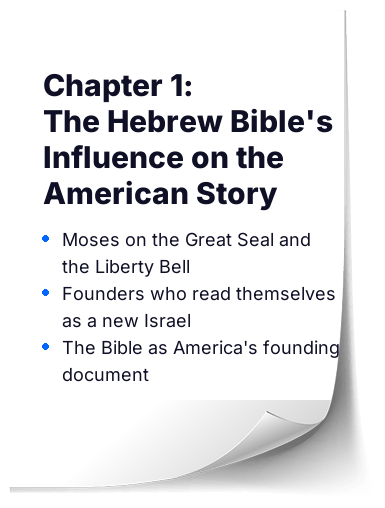
Thomas Paine compared King George III to Pharaoh in Common Sense. In 1751 the Pennsylvania Assembly chose Leviticus 25:10 for its State House bell: “Proclaim Liberty throughout all the Land to all the Inhabitants Thereof.” That bell was hanging above the room where the Continental Congress passed the Declaration of Independence on July 4, 1776. Later the same day, Benjamin Franklin, Thomas Jefferson and John Adams proposed that Moses be on the Great Seal of the United States.
It did not stop at the founding. Harriet Tubman took the name Moses on the Underground Railroad. Lincoln was eulogized as his incarnation. The Statue of Liberty was modeled on the theme of Moses, from the tablets she holds to the rays on her crown. Dr. Martin Luther King Jr. likened himself to Moses the night before he was killed.
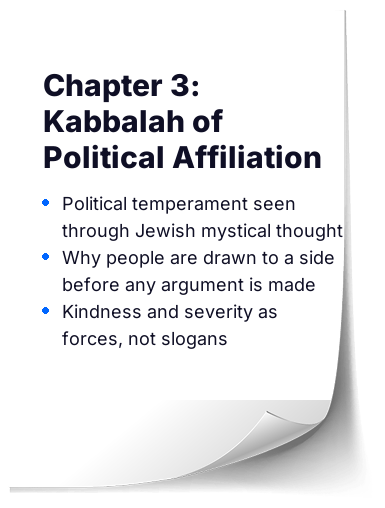
Part One traces that line, and then does something more uncomfortable with it. Chapter 2 asks why American Jews vote the way they do, and answers it historically rather than politically. Chapter 3 looks at political temperament through the lens of Jewish mystical thought: why people are drawn to the side they are drawn to, before any argument is made.
Part Two
From Origin to Destiny
“In every generation, the challenge is renewed: Will we align our lives, communities, and nations with the timeless ideals embedded in the Torah, or will we drift further into relativism and moral confusion?”
Rabbi Pinchas Taylor, Introduction to Part II, page 237
Nine chapters, one method. Each begins by laying out the two loudest positions in the public argument, in their own strongest terms, and then explains why both usually miss. It is not a partisan one. Rabbi Taylor’s stated starting point is that these are Divine truths, immutable the way the laws of physics are immutable, and that they are “not Republican or Democratic any more than the laws of physics and mathematics have a partisan affiliation.”
Then the sourcing begins: Scripture, the classical commentators, the great rabbinic authorities of the last century, alongside historians, physicians, economists and the people on the other side of the argument, quoted accurately.
The book does reach conclusions, and it states them plainly. What it refuses to do is arrive at them by picking a team first.
Part Three
What You Can Actually Do
“May we strengthen ourselves as ‘one nation under God’ and reach that ultimate destination that the prophet foretells, when we become ‘one world under God.’”
Rabbi Pinchas Taylor, Final Words, page 590
The last chapter is not a wrap-up. Rabbi Taylor calls it the destination of the book’s message.
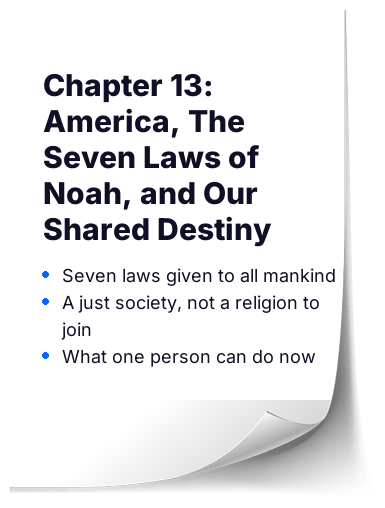
Torah tradition holds that God gave seven universal laws to all of humanity, not only to the Jewish people. They are called the Seven Laws of B’nei Noach, “the children of Noah,” and six of them were given to Adam long before Sinai, drawn from a close reading of Genesis 2:16. They are the moral foundation the founders were reaching for, whether or not they used that name for it.
They are not a religion to convert to. They are the baseline for building a moral, God-oriented society, and they are available to anyone, right now, without changing who you are.
Knowing the list takes five minutes. Living it is not something a book can teach, and the last chapter says so. This is where the book stops describing a problem and hands the reader something to do.
What's Inside One Nation Under God


Who This Book Is For
01
American Jews who love this country, feel the political ground shifting under them, and want something more serious than a slogan to stand on.
02
People who have watched the public argument get louder and less useful, and want a way of thinking about hard questions that does not start by picking a side.
03
People who read the Hebrew Bible and want to understand what it actually says about government, freedom and moral responsibility, on its own terms and with the sources shown.
04
People who have already sensed that the seven universal laws are addressed to them, and are looking for where to begin.
Don’t worry, you do not need a background in any of this to read it. You need to be willing to consider that the answer is older than the argument.
What the Rabbis Are Saying
“
Rabbi Taylor translates the Torah into the language of contemporary political discourse without sacrificing the integrity and authenticity of the sacred message.
Rabbi Yitzchak Breitowitz
Rabbi of Kehillat Ohr Somayach, Jerusalem
“
In One Nation Under God: A Jewish Guide to American Politics and Patriotism, Rabbi Pinchas Taylor has successfully scaled the heights of literary and intellectual triumph. … I can’t think of a more important book for those trying to understand the present reality of Jews in America. … Nobody will put this book down quickly.
Rabbi Daniel Lapin
President, American Alliance of Jews and Christians. Author of America’s Real War and Thou Shall Prosper
“
Without taking a political side, you show how the Jewish influence evolved from the revolutionary war to the politics of today. … You bravely examine the “hot topics” that are currently dividing society. Drawing on hundreds of reliable sources … you give the reader a Jewish perspective and solid guidelines.
Rabbi Daniel Channen
Dean, Yeshiva Chonen Daas, from a letter to the author
Get the Book
$36.99
Order directly from Rabbi Taylor. The price you see is the price you pay, shipping included, the same as his other books.
- Publisher: Mosaica Press
- Distributed by: Feldheim, New York
- Format: Hardcover
- Length: 3 parts, 13 chapters, hundreds of footnoted sources
- Published: July 4, 2026
- ISBN: 979-8-89767-073-4
About the Author
Rabbi Pinchas Taylor is the director of the American Faith Coalition, where he teaches the timeless wisdom of the Torah as a moral framework for people of every background. A best-selling author and internationally sought-after lecturer, he has addressed audiences in synagogues, universities, conferences and civic forums around the world. A graduate of the Rabbinical College of America, he is also the author of Pillars of Faith and A Jewish Guide to the Mysterious, and the founder of The Ark, a faith-based study and coaching program that helps individuals live with purpose, resilience and spiritual direction.
The Book Ends Where the Learning Begins
The last chapter of One Nation Under God asks the reader to take the seven universal laws seriously. That is a real request, and a book can only carry you so far into it. The list is public. The practical implementation, what these laws actually ask of you in your own life, has always been learned from a proper teacher who specializes in these matters.
That is what The Ark is. It is Rabbi Taylor’s online learning community: clear Torah classes four days a week, live questions and answers, ongoing access to the rabbi, and members from every background learning and growing at their own pace. You do not need any background to start, and you do not need the right label to belong there.
Read the book. Then come sit at the table.